Best Time to Visit Maui: Choose by Whales, Rain and Crowds
6 min read
The best time for most first visits is a shoulder period when you can travel outside major school holidays: spring after the main winter rush or autumn before the festive season. Choose winter if whales are the reason for the trip; choose summer if dependable beach time matters more. Maui has large local differences, so “rainy season” does not mean rain everywhere all day. The west and south resort coasts are generally drier than windward slopes and the Road to Hāna.
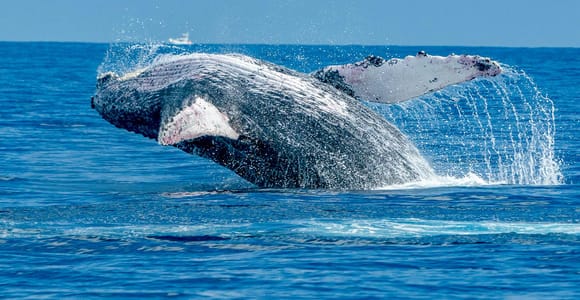
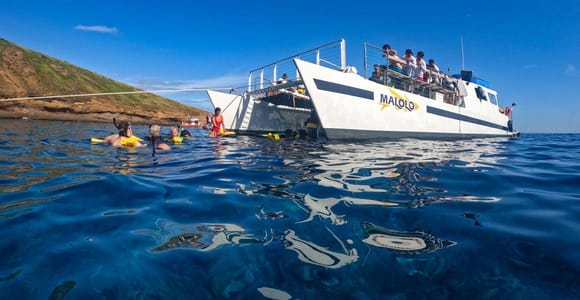
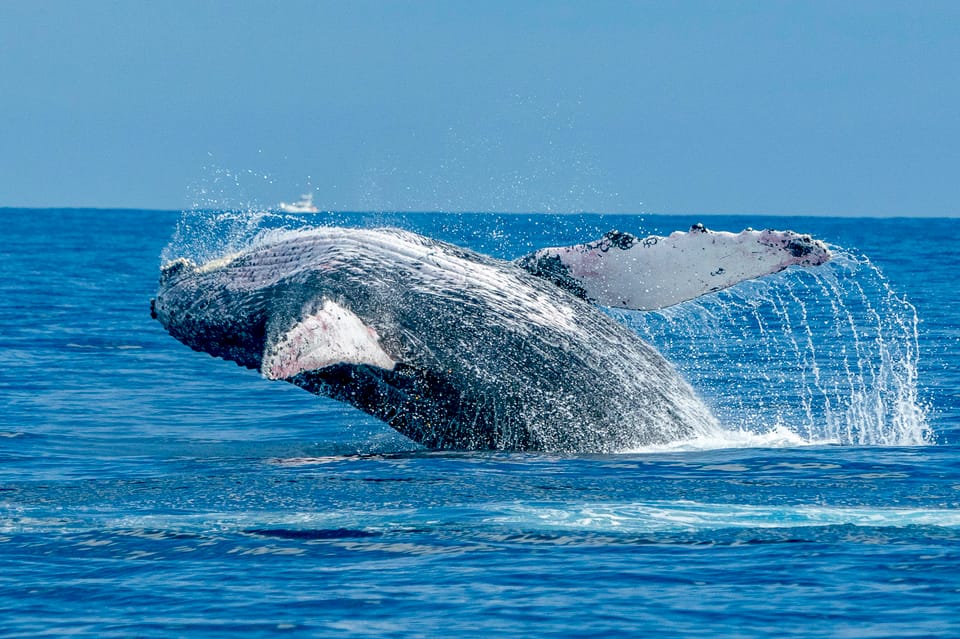
If whales decide the dates, the Maʻalaea Harbor Whale Watching Tour aboard a Catamaran is the practical booking: two hours, running only between 1 December and 30 April, €45.82, rated 4.6 from 1,092 reviews.
See whale-watch dates and prices
Winter: come for whales, accept changeable weather
Winter is the compelling choice for humpback whales. It also brings more chance of rain and larger north-shore surf. That does not make a winter holiday a washout: conditions can differ sharply between Hāna, Upcountry and the leeward beaches on the same day. Keep one flexible day rather than assigning every excursion before arrival.
Whale sightings remain wildlife encounters, not appointments. Our whale-watching guide explains how the boat types differ.
Spring and autumn: the balanced choice
The shoulder periods are our recommendation for travellers without a single seasonal priority. The island is warm year-round, and travelling outside school-holiday peaks can make accommodation and popular departures easier to find. “Quieter” is relative: Maui does not become empty, and weekends and events still matter.
Spring can still overlap with whale season at its earlier end. Autumn is better for planning around beaches, food and inland drives than for building the trip around whales.
Summer: beach plans and trade-offs
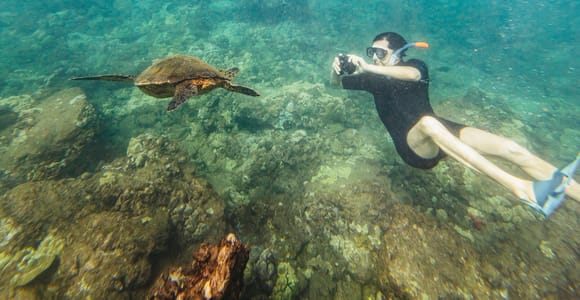
Summer suits families tied to school holidays and travellers who place swimming and snorkelling first. It can also be busy and hot, and trade winds still affect afternoon water conditions. Book high-priority tours first, then leave space to respond to forecasts.
For sunrise at Haleakalā, season changes the clothing and timing but not the need to check the current access rules. See our Haleakalā sunrise guide before committing to a morning.
Choose by activity, not by an average
- For whales: winter, with flexibility for sea conditions.
- For the Road to Hāna: any season, but check rain and road notices that morning.
- For snorkelling: prioritise the day’s wind and swell over the month printed on the calendar.
- For hiking: check trail and park notices; heat, rain and closures matter more than a slogan about seasons.
No month guarantees calm water or cloud-free Haleakalā. Bookings that allow cancellation give you more room to react, but read the actual terms for your chosen product.
Our recommendation
Choose spring or autumn for the best overall compromise. Choose winter only when whales justify the extra weather uncertainty, then book the Maʻalaea Harbor Whale Watching Tour aboard a Catamaran as the anchor activity. It runs between 1 December and 30 April and starts at €45.82.